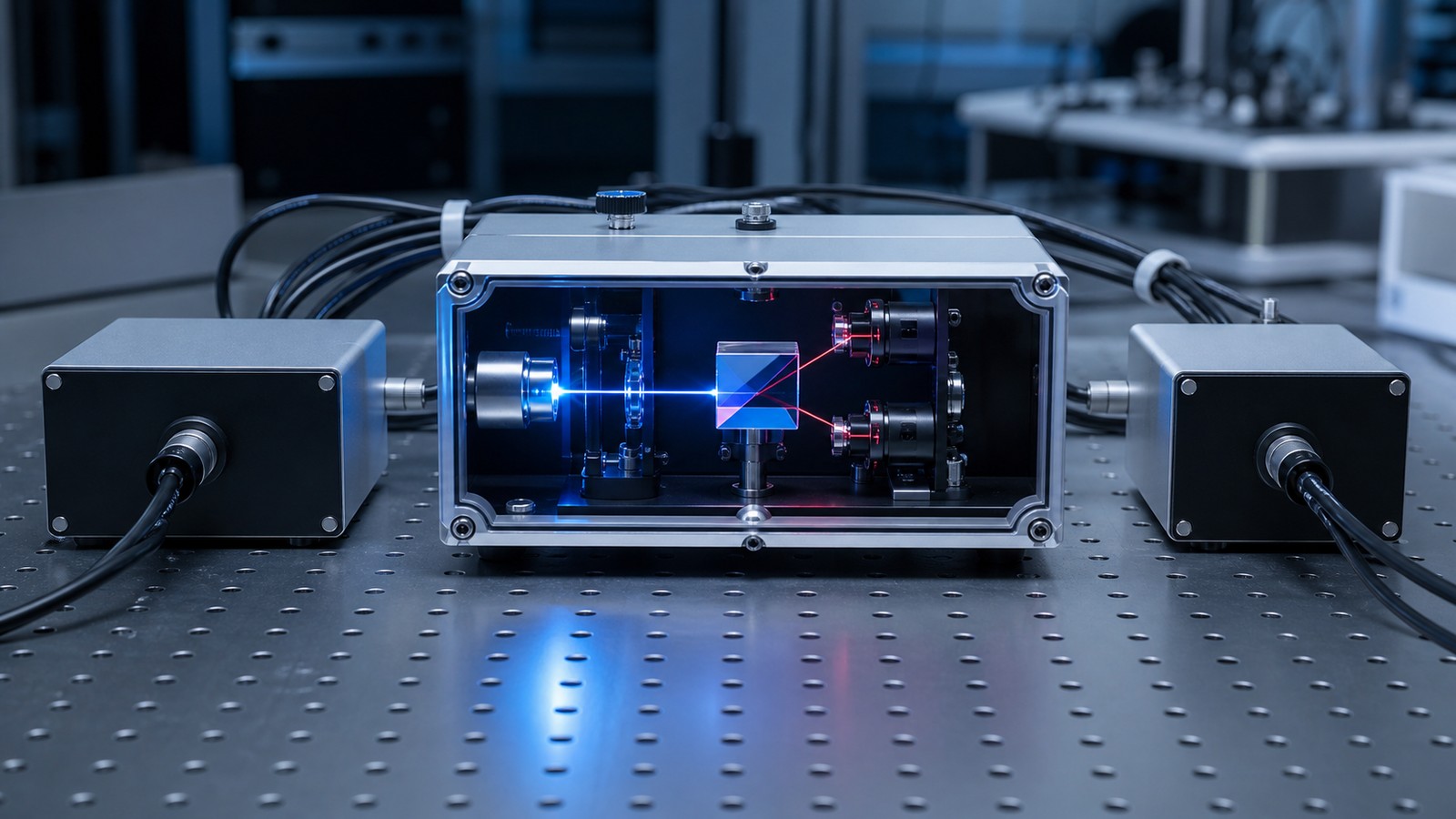
How Quantum Randomness Powers Modern Technology
Quantum randomness is not just a philosophical oddity. It powers secure systems, simulations, sensors, and emerging quantum technologies.

Exploring the Secrets of the Quantum World
Quantum randomness is not just a philosophical oddity. It powers secure systems, simulations, sensors, and emerging quantum technologies.
The uncertainty principle emerged from the early quantum struggle to replace classical certainty with state-based prediction.
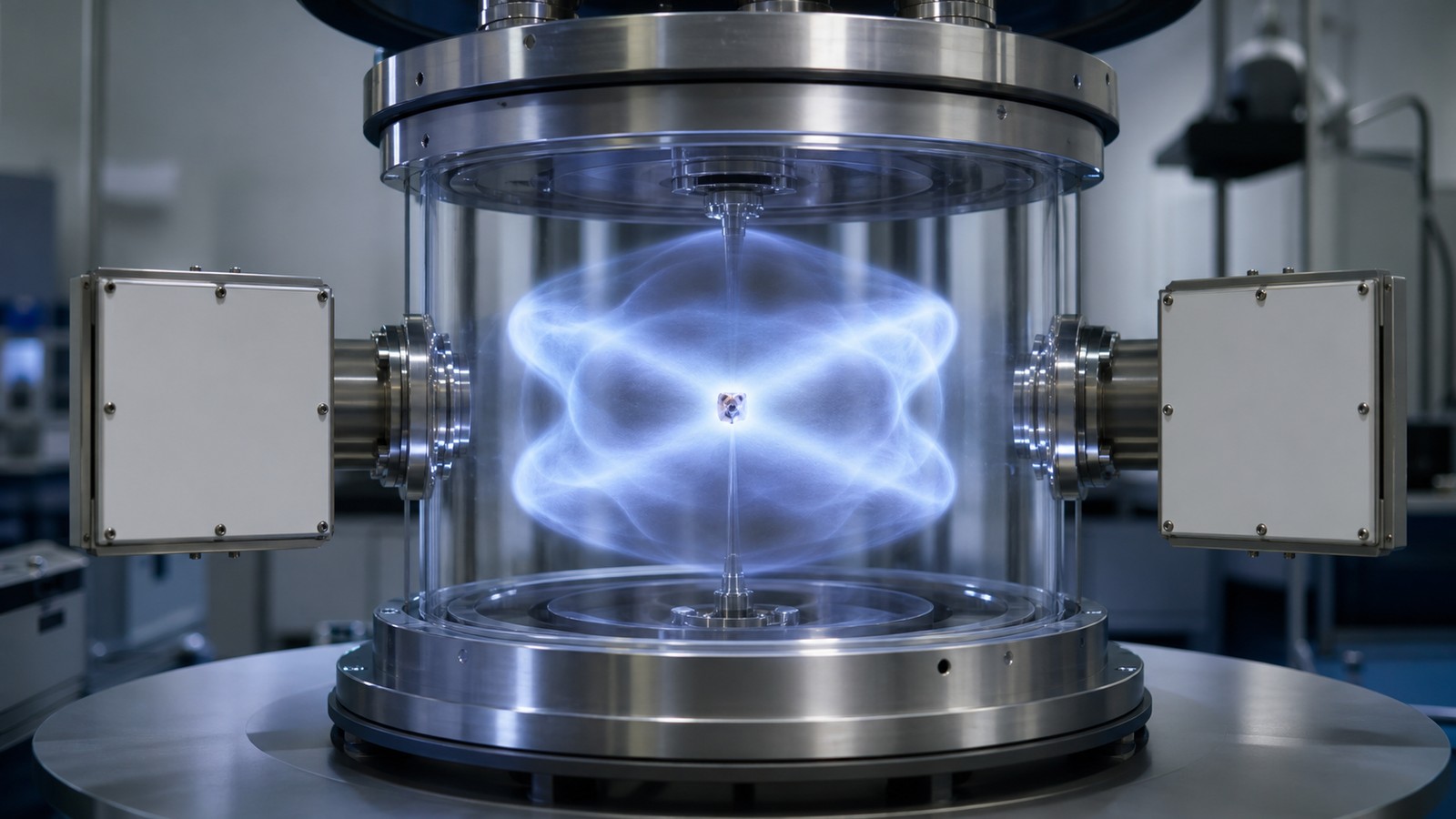
Particles can behave like clouds of possibilities because a quantum state can spread possible outcomes before one record is made.
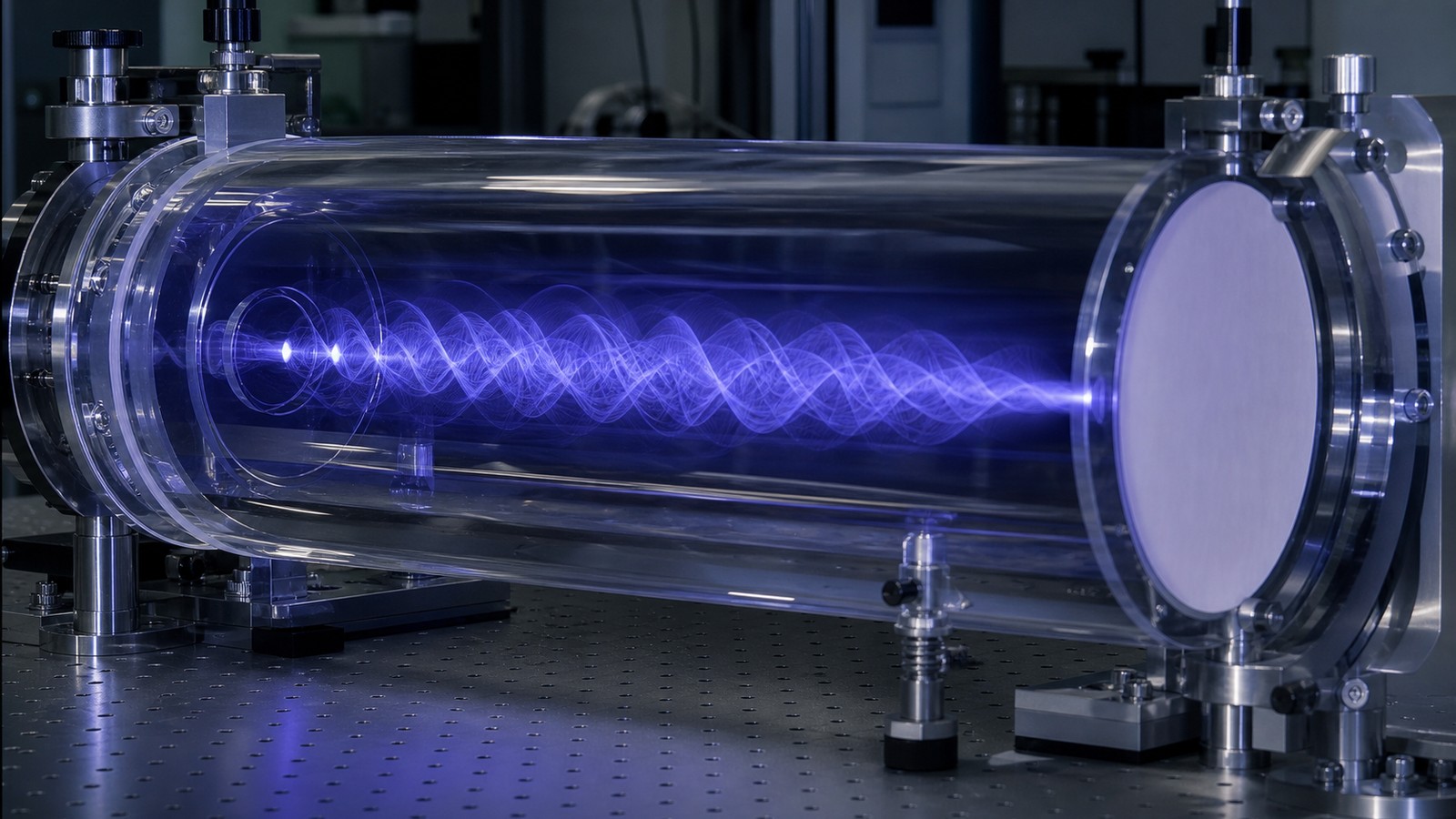
Quantum probability waves are not ordinary waves of matter. They describe amplitudes that evolve, interfere, and produce measurement likelihoods.
Quantum uncertainty limits some kinds of knowledge, but it also gives physics a more accurate way to describe the universe.
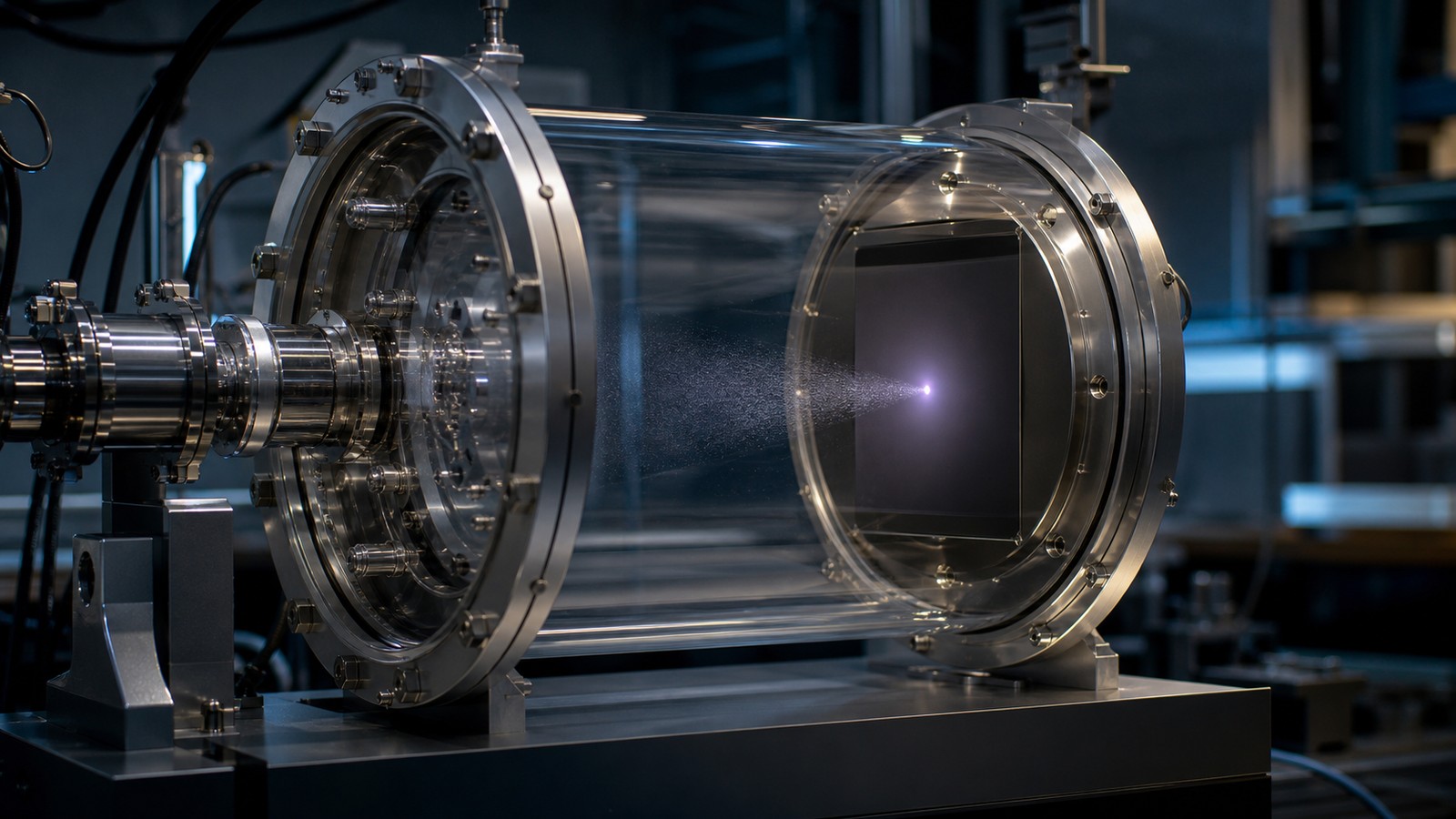
Observation does not simply reveal a prewritten particle fact. It creates a record, updates the state, and changes which uncertainties matter next.
Position and momentum resist being known together because a quantum state cannot make both properties perfectly sharp at once.
Quantum uncertainty is not just measurement clumsiness. It is a precise limit built into how quantum states connect possible outcomes.
Quantum probability differs from everyday probability because amplitudes, phase, measurement basis, and interference shape the distribution of outcomes.
Quantum uncertainty means particles are not always described by fixed classical paths with exact position and momentum before measurement.
Quantum physics reveals a universe where the future is not a locked script but a field of possibilities. This beginner-friendly guide explores uncertainty, probability, measurement, and why tiny particles make reality feel more open, flexible, and fascinating than everyday experience suggests.
Discover how scientists use probability, not certainty, to predict particle behavior in the strange and fascinating world of quantum physics.