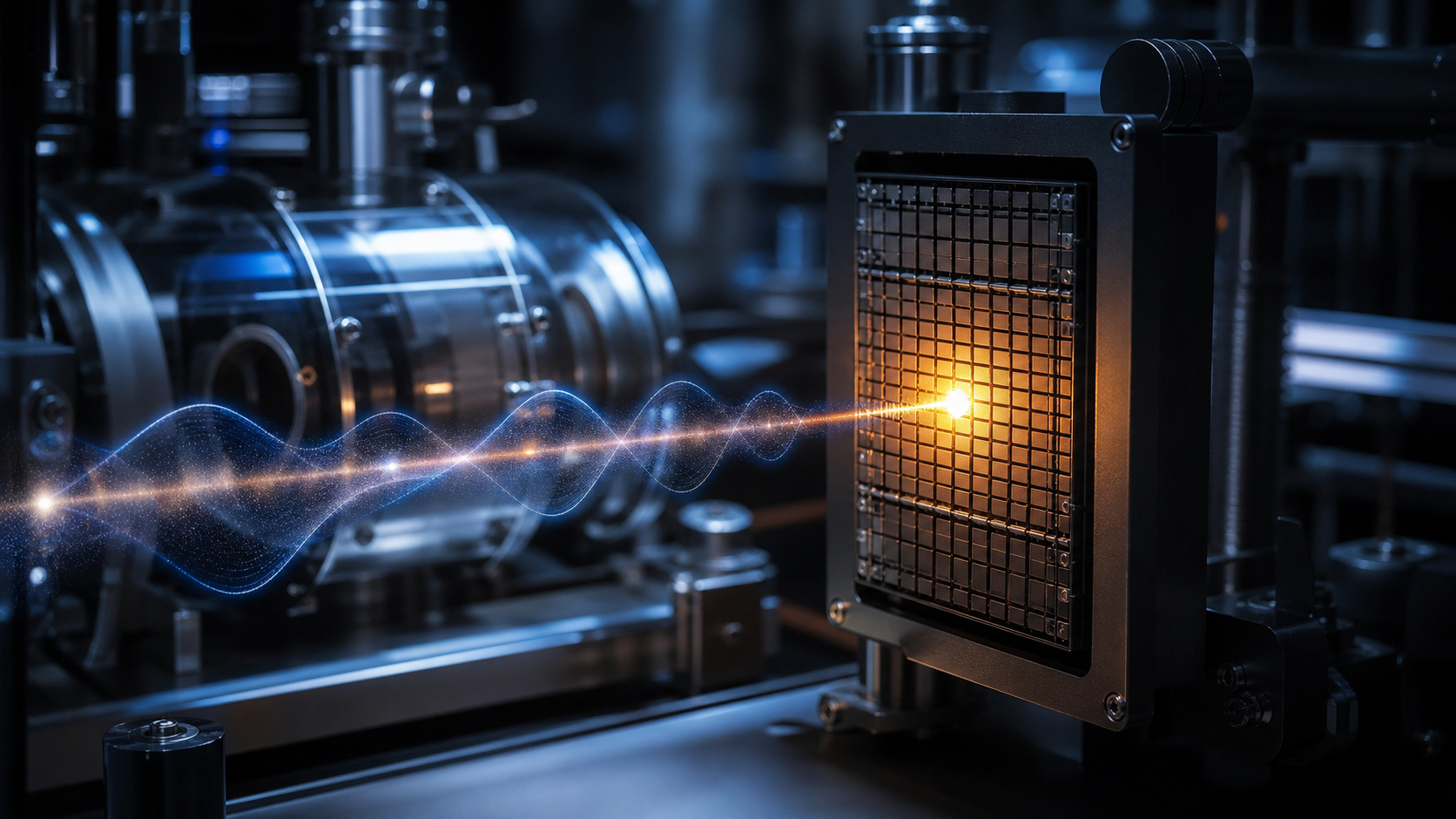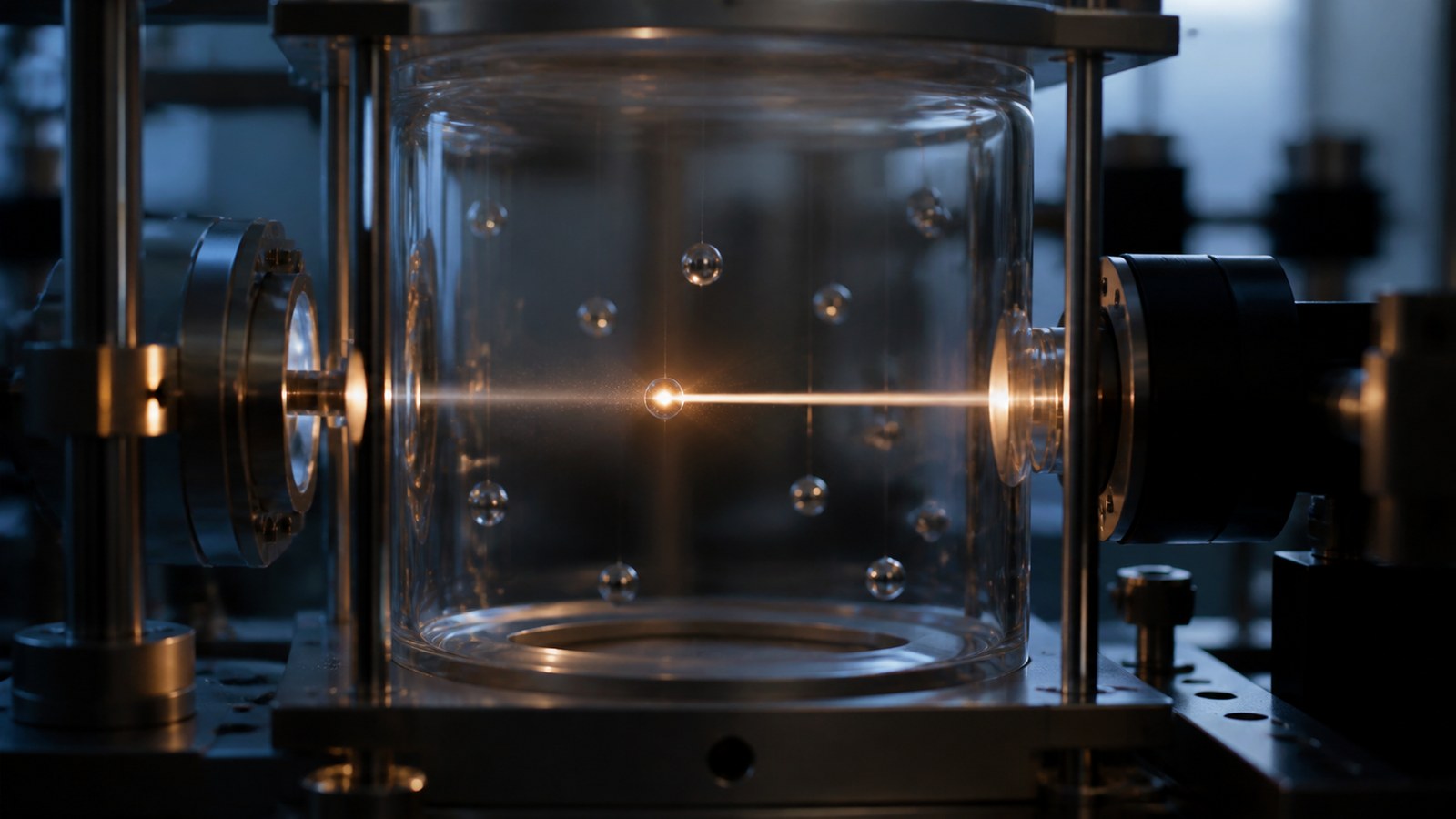
The mystery of quantum observation is that physical records seem to help reality become definite. Before observation, quantum theory can describe multiple possible outcomes. After observation, the world contains a fact: a click, a mark, a stored bit, a trace. The mystery is not mind power. It is the role of records in turning possibility into history.
A: No. It means physical record creation.
A: Yes. A detector or environment can record an event.
A: It determines which information becomes definite and durable.
A: Information spreading into the environment.
A: No. The rules are physical and testable.
A: They make outcomes stable and usable.
A: Yes, if the physical record exists.
A: Possibilities become one history through interaction.
A: Yes, especially in computing, sensing, and communication.
A: Observation is the physical making of quantum facts.
Facts Are Made Durable by Records
A quantum event becomes part of the world we can discuss when it leaves a record. That record might be a detector click, a spot on a sensor, or a change in a memory device. The record anchors the event. It makes the outcome available for later comparison, repetition, and prediction.
Observation Can Be Quiet
Observation does not need drama. A detector can run overnight. A cosmic particle can leave a track before anyone studies it. The environment can scatter information in every direction. A human may arrive later, but the physical record may already be present.
The Experiment Shapes the Fact
Different apparatuses create different kinds of facts. One setup preserves interference. Another records which path occurred. One spin measurement asks about one axis; another asks about a different axis. Quantum observation is mysterious because the fact that appears is tied to the question physically asked.
Decoherence Makes the World Feel Solid
Decoherence explains how records spread into the environment. Once information has leaked into many surrounding systems, alternatives stop interfering in ordinary ways. The result becomes durable. What began as a fragile quantum possibility becomes part of the stable classical world we experience.
The Mystery Does Not Need Myth
It is tempting to say consciousness creates reality, but that is not what the experiments require. Detectors, fields, photons, and environments are enough. The mystery is already profound: interactions create records, and records help define what becomes real for future observers.
What Observation Teaches
Quantum observation teaches that facts at small scales are not always passive labels waiting to be copied. They can emerge through interactions. That does not make the world unreal. It makes reality more relational, more physical, and more surprising than the simple picture of objects carrying every property in advance.