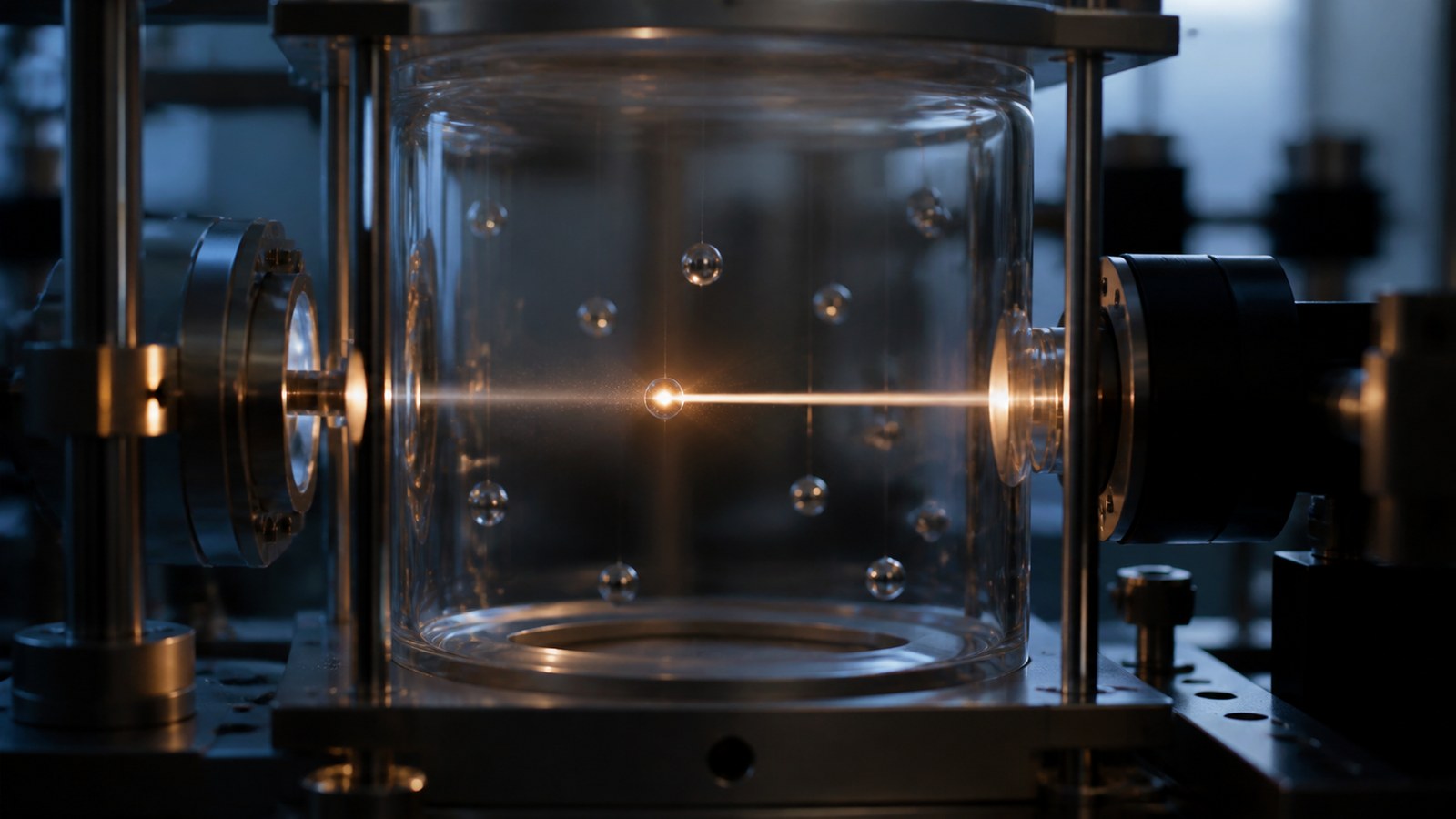
Observation affects reality in the quantum world because observation creates records. A detector click, a scattered photon, a sensor trace, or a bit stored in a device can all count. The key is not human awareness. The key is whether information about the quantum system has entered the physical world in a durable way.
A: No. A physical record is enough.
A: Yes. It can store information without a person watching.
A: It makes alternatives distinguishable.
A: Yes. Stray interactions can leak information.
A: No. It shows that some facts depend on measurement context.
A: The state used for predictions changes.
A: Disturbance matters, but information is the deeper theme.
A: To stop unwanted records from forming.
A: Information spreading into the environment.
A: Observation is information becoming physical.
Observation Means Record-Making
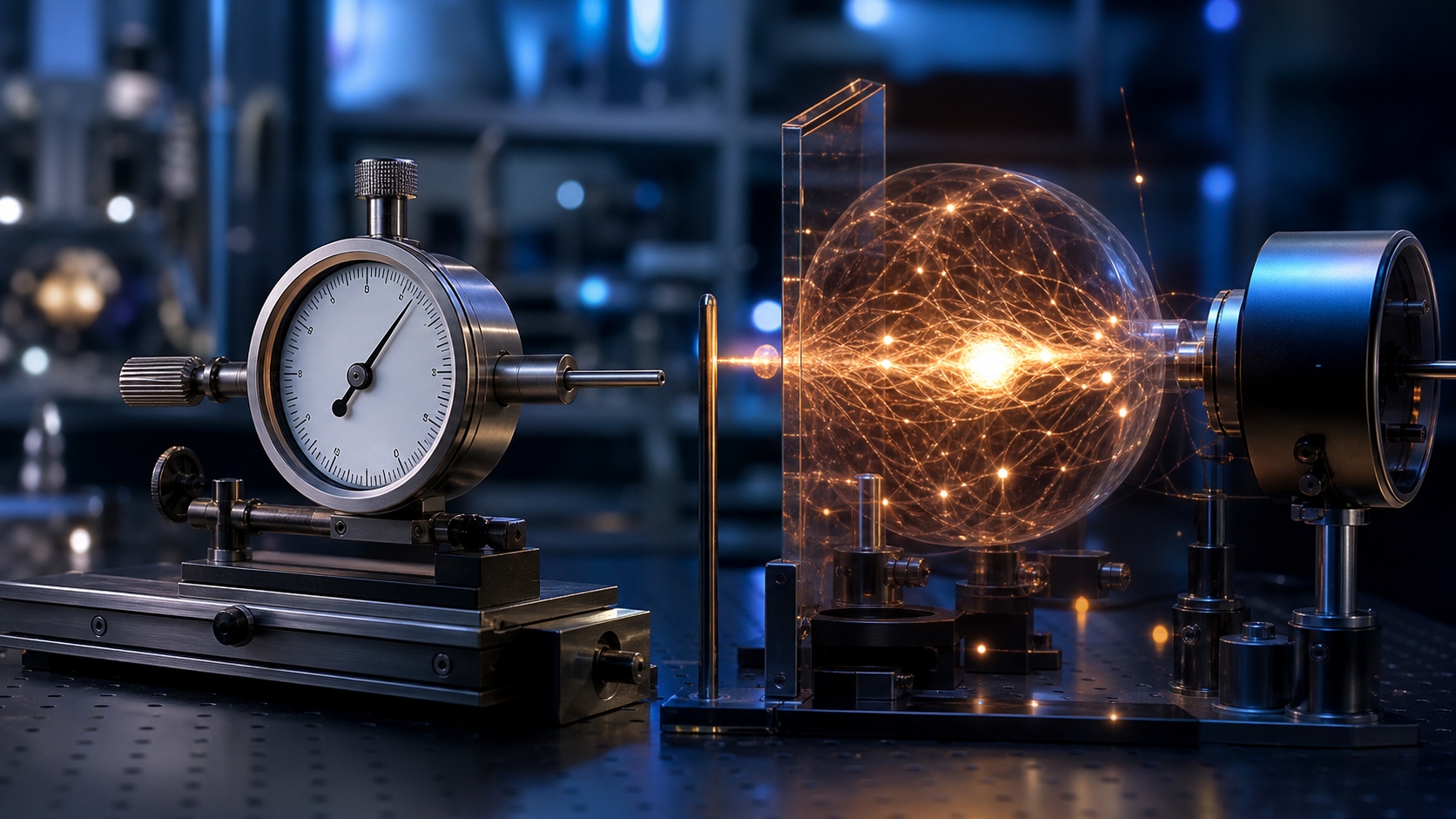
In everyday speech, observation means looking. In quantum physics, it means something more precise: an interaction has produced information that can be stored or amplified. A detector can observe without eyes. The environment can observe without intention. Once a record exists, the system is no longer described as if no one could know what happened.
The Apparatus Decides the Question
A quantum experiment is a question built out of equipment. One setup asks about position. Another asks about spin. Another asks whether a particle took one path or another. Observation affects reality because the apparatus determines what kind of fact can be created. Nature answers the question the experiment physically asks.
Interference Requires Hidden Alternatives
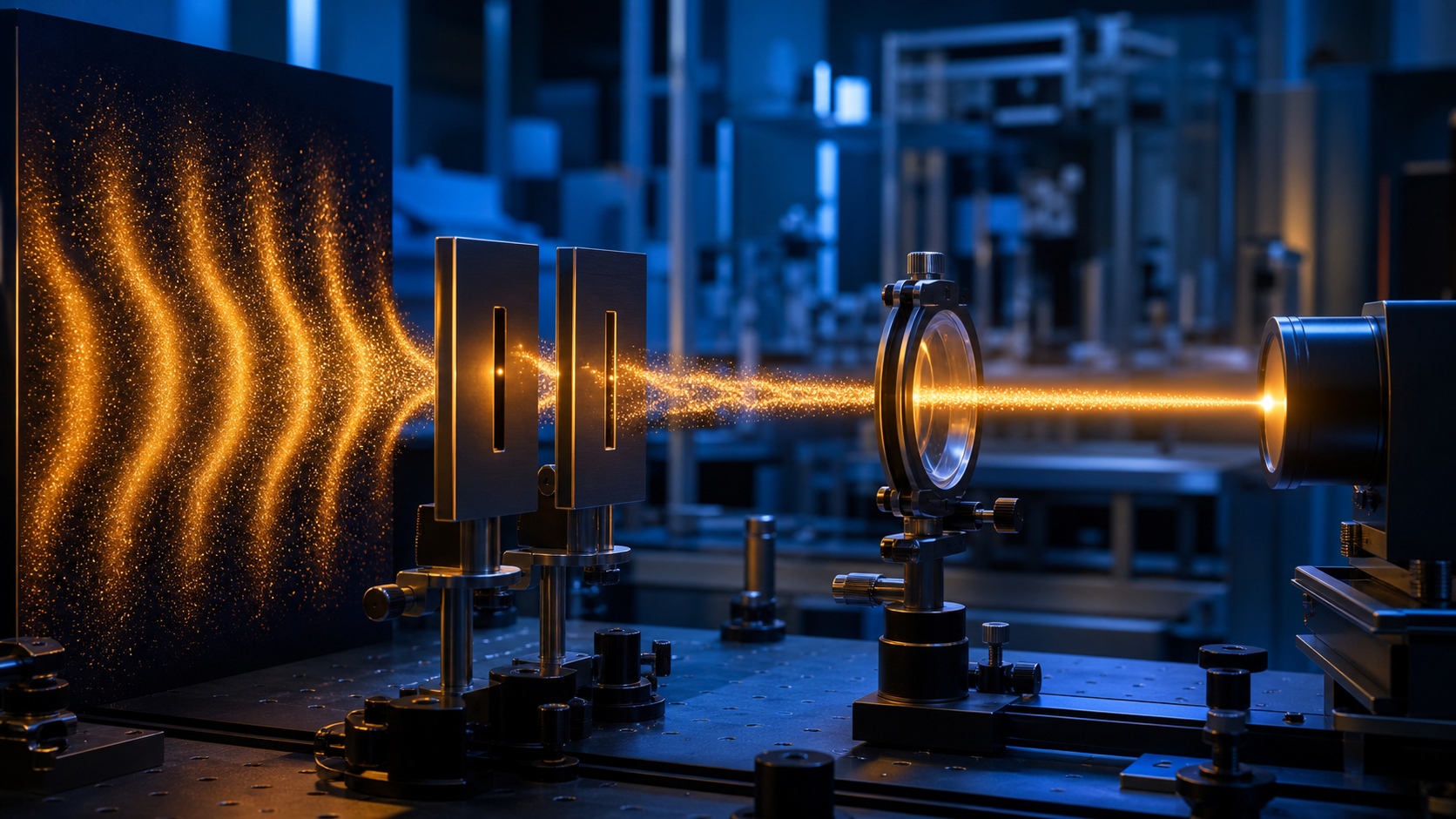
Wave-like interference appears when alternatives remain indistinguishable. If the world contains no record of which path occurred, the alternatives can combine. If observation stores path information, the pattern changes. The important point is not whether a scientist reads the result immediately. It is whether the information exists in principle as part of the physical setup.
The Environment Is a Relentless Observer
Most quantum systems are surrounded by air, light, heat, vibration, and nearby matter. These surroundings can carry away information before a planned detector ever acts. That process is one reason everyday objects look definite. Their quantum possibilities are constantly being recorded by the environment, leaving stable classical-looking facts behind.
Observation Does Not Mean Mind Power
Quantum observation is often misrepresented as proof that thoughts create reality. The experiments do not show that. They show that physical information matters. A detector running in an empty lab can change an outcome. A scattered photon can leak information. Observation is powerful because records are physical, not because consciousness commands particles.
The Balanced View
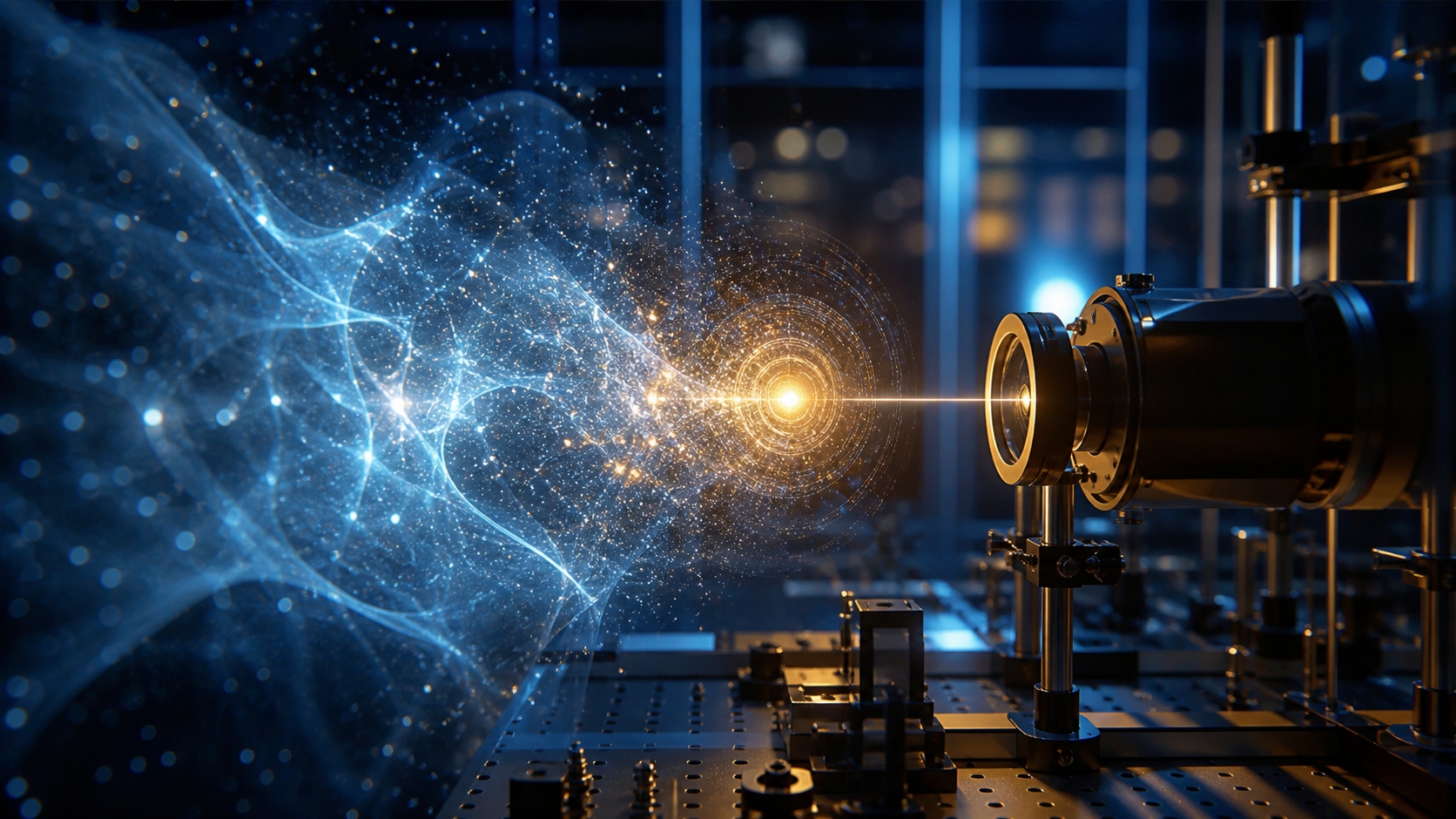
The best way to understand quantum observation is to avoid both extremes. It is not ordinary passive looking, and it is not magic. It is the process by which possible outcomes become tied to records. At small scales, those records can decide whether reality behaves like overlapping possibilities or like one definite event.